

Tulsa Tech Addresses Nursing Industry Needs
December 19, 2025
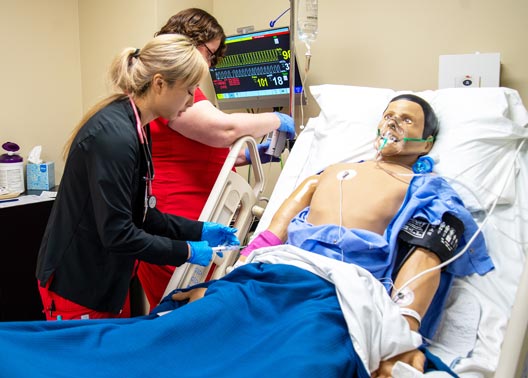
Tulsa Tech’s Practical Nursing program is growing, and the impact is easy to see. With expanded cohorts, a new January start date and the creation of a bridge program, the school now welcomes 140 future nurses each year, nearly double the previous number of students they were able to serve. The goal is simple: open more doors for students and help meet the region’s long-standing need for qualified nurses.
To keep classes personal and hands-on, Tulsa Tech added faculty to maintain a 10:1 student-teacher ratio. That support matters because students take on 1,388 hours of classroom learning before stepping into the field. Every applicant must earn a Certified Nursing Assistant certificate first, then choose between a 12-month daytime program or a 15-month evening track. Both paths include 588 clinical hours and plenty of real-world experience.
A key part of that experience happens on campus. About 18 percent of clinical hours are completed in Tulsa Tech’s simulation labs, where students work through lifelike scenarios without the pressure of real patients.
“Students get to make those judgement calls and decisions and get a great experience before they work with patients,” Dana Chandler, Practical Nursing Programs Coordinator, said.
Once students complete the program, they qualify to take the National Council Licensure Examination. Passing the exam makes them licensed practical nurses, ready to step into hospitals, clinics and care facilities, or continue their education toward becoming registered nurses.
Last year, Tulsa Tech celebrated a 98 percent board pass rate, well above the national average.
What sets Tulsa Tech apart is its strong network of clinical partners. Students rotate through major hospitals, rehab centers, urgent care facilities and acute care settings across the Tulsa area. These experiences helps students discover what type of nursing fits their interests and strengths.
Chandler said the program’s mission reaches far beyond the classroom. “The Tulsa area has been in a nursing shortage for a very long time. Our goal is to help decrease that shortage and increase patient satisfaction,” she said.
Some students arrive with healthcare experience already. Some work as CNAs in partner facilities, encouraged by employers who help support their education. For these students, the program offers a direct path to career advancement and higher earning potential.
The bridge program takes that pathway even further by helping high school students accelerate their futures. Juniors take the Health Science Technology class, then complete the Nursing Transitions course as seniors, earning their CNA certification along the way. After graduation, they enter a six-month program that prepares them for the NCLEX exam. From there, they can move into the workforce or a partner college to pursue an RN degree.
“The bridge program really puts young students on a trajectory of completing their LPN sooner, at little to no cost,” Chandler said. “We created this to help our community get skilled nurses into the field quicker.”
Their final step is a 96-hour preceptorship, pairing them one-on-one with a working nurse for full shifts. The experience ties everything together and prepares them for life after graduation.
And no matter where students choose to go next, into the workforce or advanced training, they leave with confidence, skills and a clear sense of purpose.